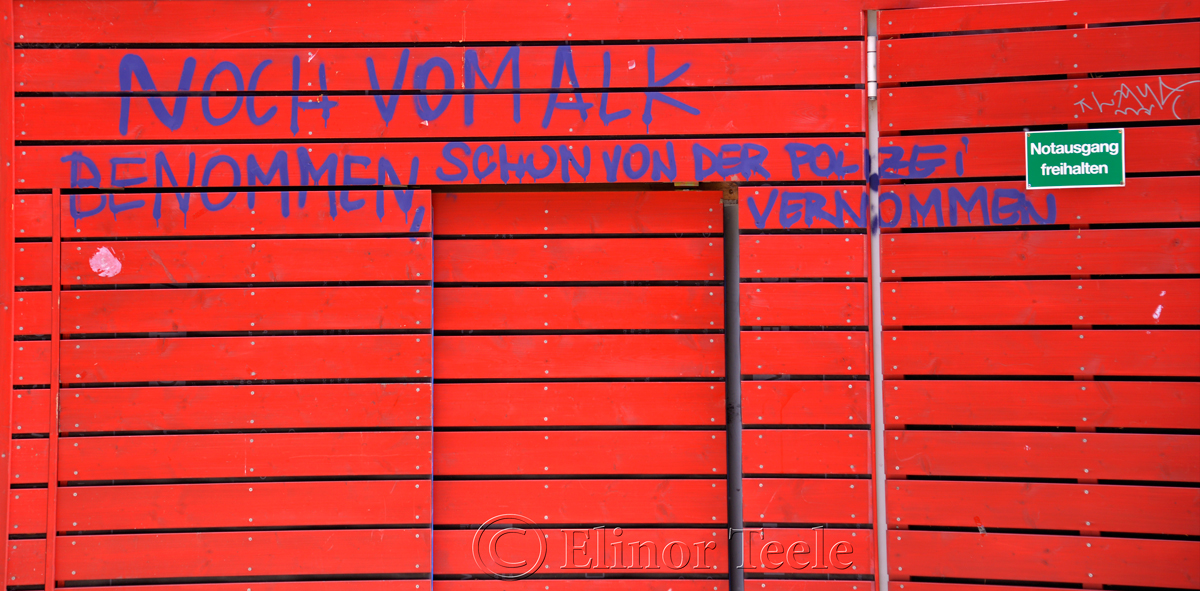
Graffiti, Stadtpark, Graz, Austria
Rough translation: “Still dazed from booze, avoid police questioning.”
Content Strategy & Fine Art Photography
Content Strategy & Fine Art Photography
Rough translation: “Still dazed from booze, avoid police questioning.”
In the pomp and circumstance of the 19th century, it seemed every country wanted to have a world fair. There was London in 1851, New York in 1853, Paris in 1855, Porto, Barcelona, Sydney, Chicago… And then there was the Vienna World Exhibition of 1873. Apart from awkward family reunions
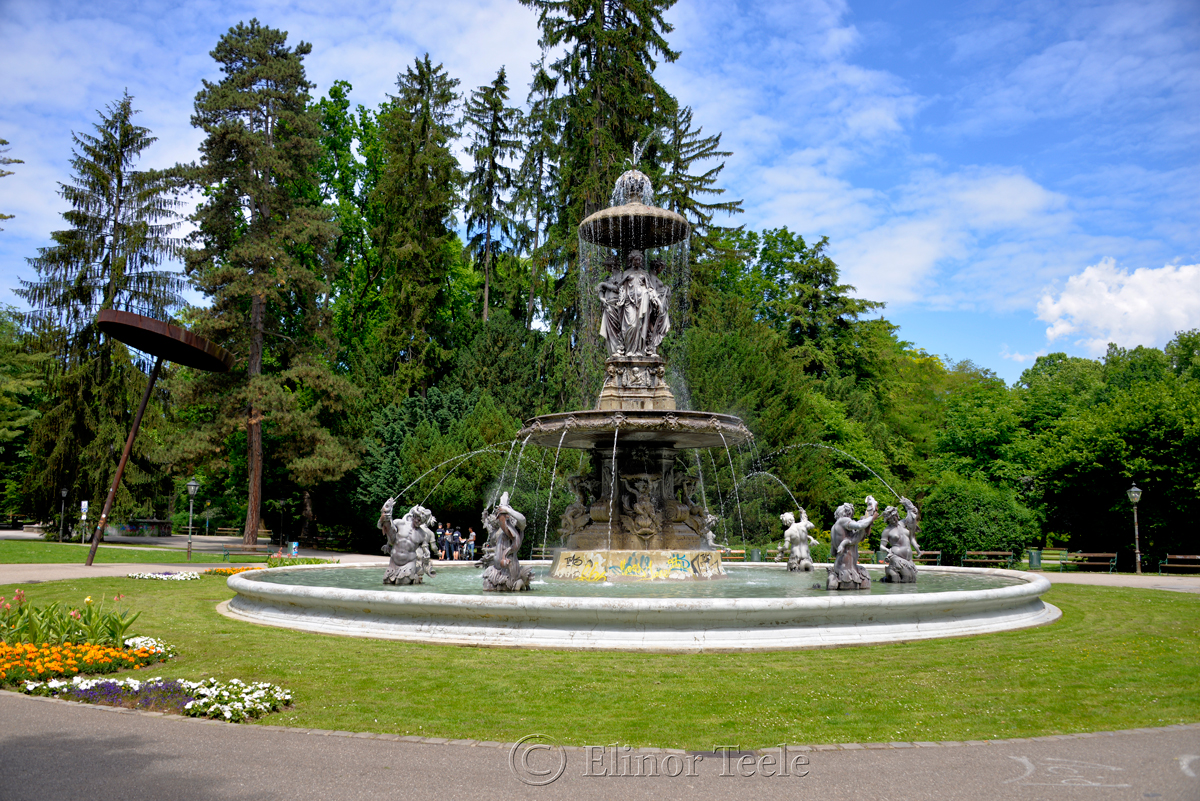
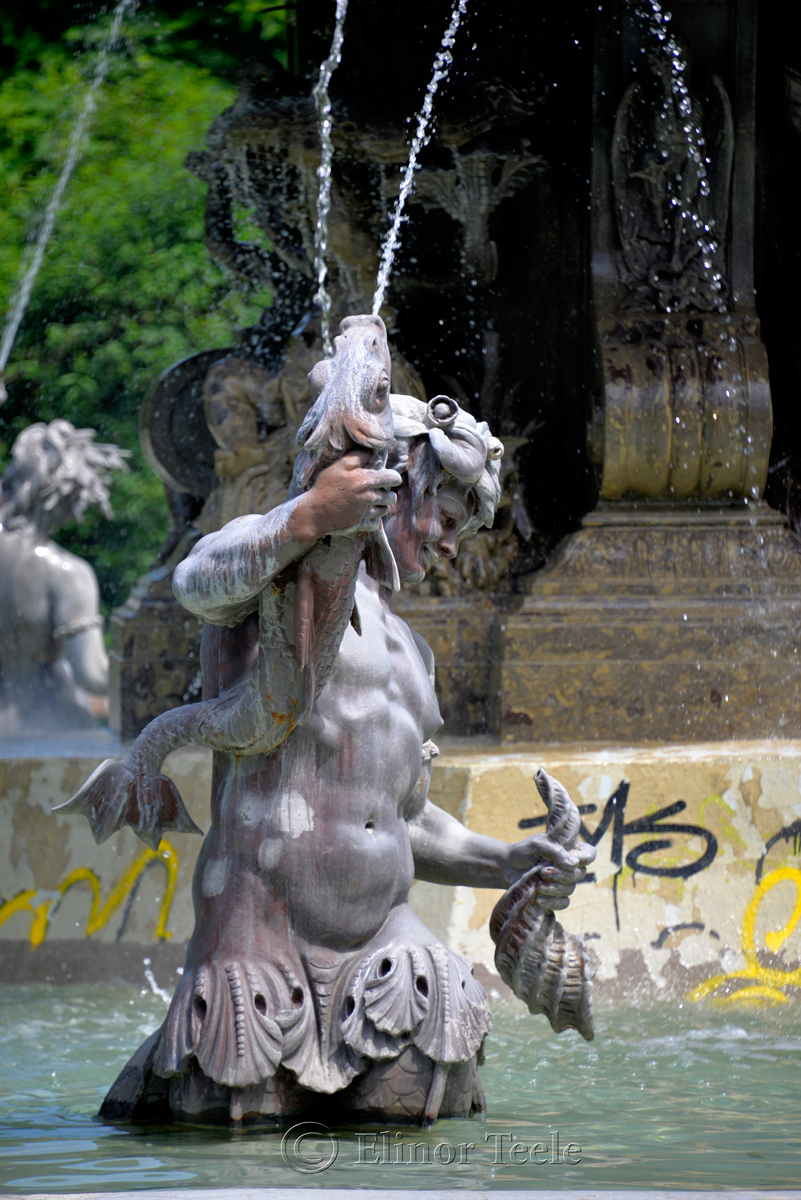
Like many spots in town, Graz’s Stadtpark mixes modern art with Imperial trimmings. The title of the sculpture on the left is Rostiger Nail (“Rusty Nail”). It’s the work of the Romanian-born American artist Serge Spitzer (1985). The 19th century fountain on the right was designed by Jean-Baptiste-Jules Klagmann and
Continue readingRusty Nail & Fountain, Stadtpark, Graz, Austria
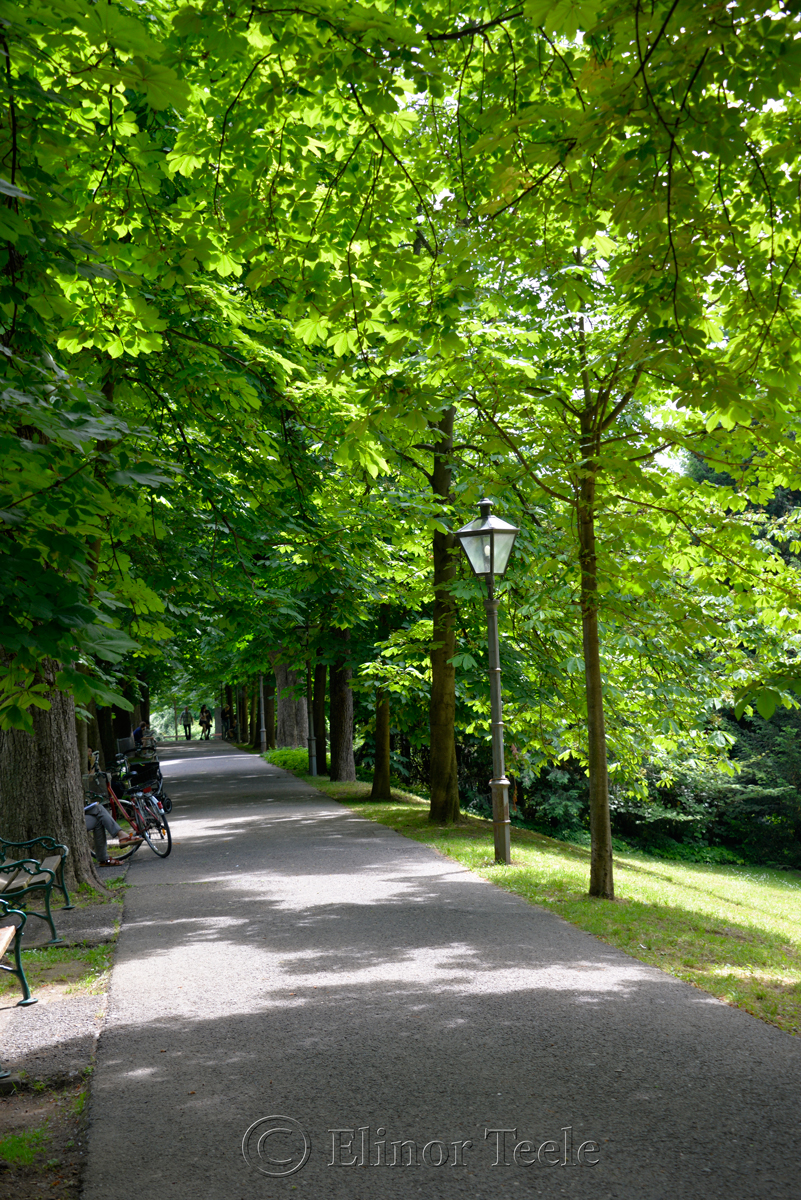
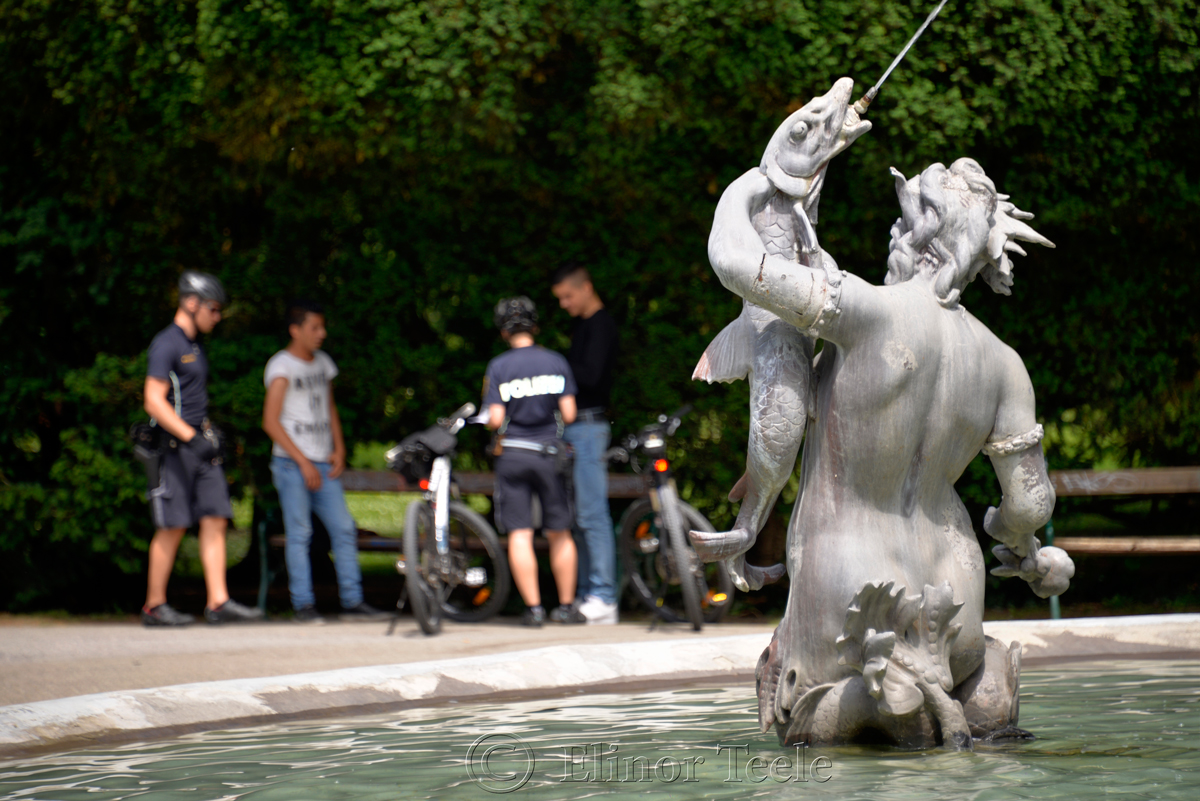
Graz’s city park is full of little old ladies and students smoking exotic substances. If you’ve had it up to your back-teeth with sightseeing, it’s a nice place to hide. Unless, of course, you’re wanted by the police.
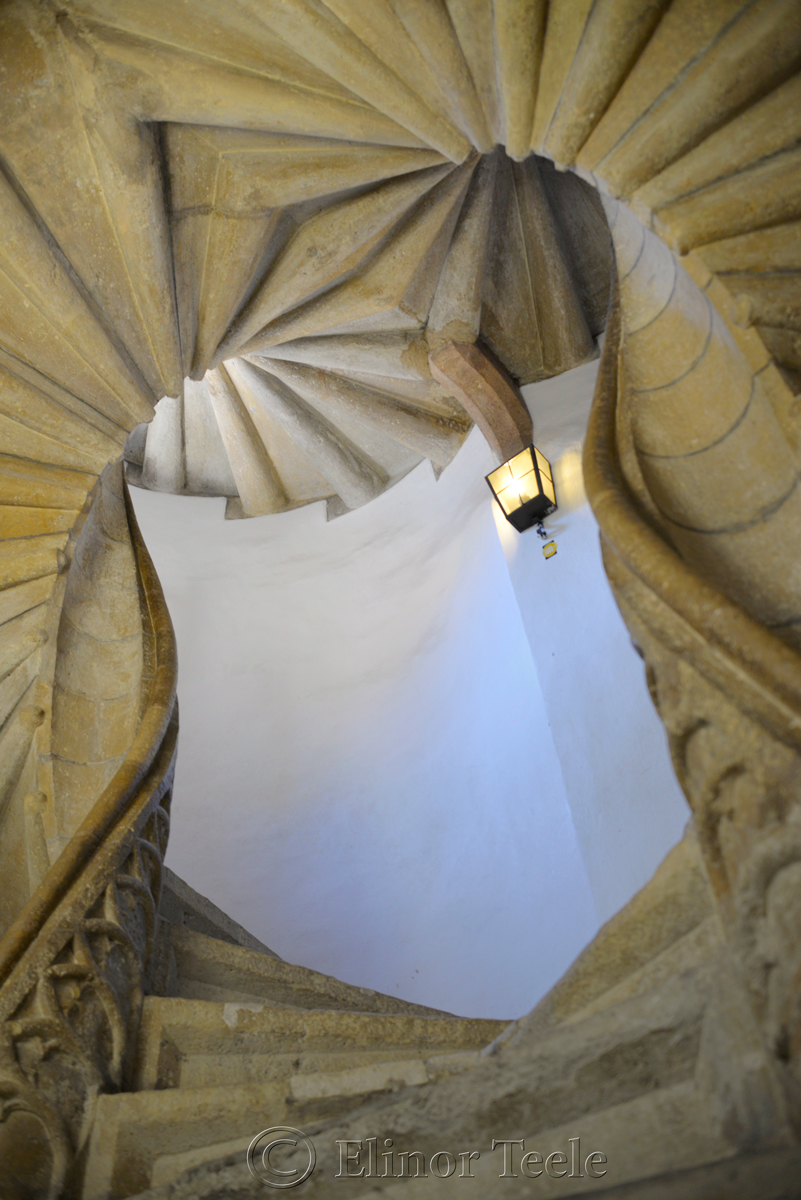
Up and up we go, where we meet, nobody knows! Kids can explore this optical puzzle in Graz’s Burg (“Castle”), now used as the headquarters of the regional government. Set in a round tower, two sets of spiral stairs curve up, around, and sometimes into each other. Designed by a
Continue readingDoppelwendeltreppe (Double Spiral Staircase), Burg, Graz, Austria 1
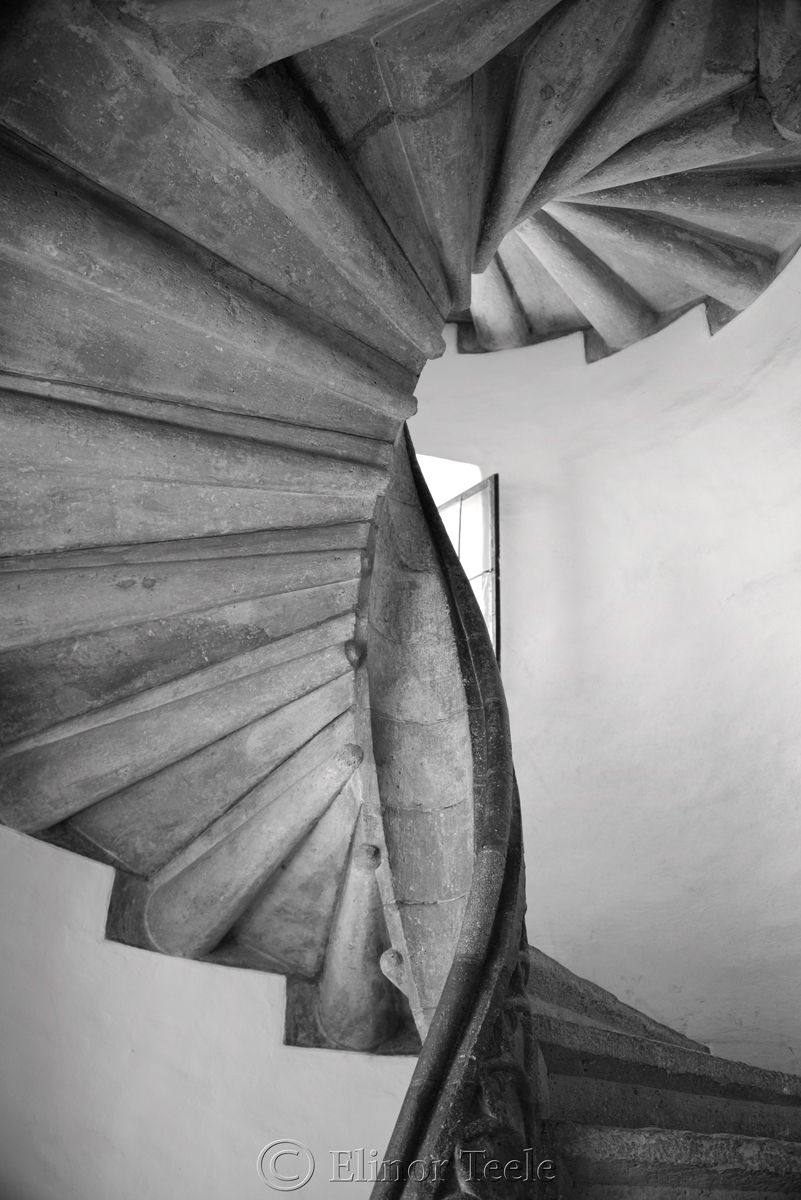
Graz residents call the Doppelwendeltreppe the Stairs of Reconciliation. Whichever way you go, you will always meet in the middle. The more amorous Slovakians call their twin staircase the Lovers‘ Stairs.
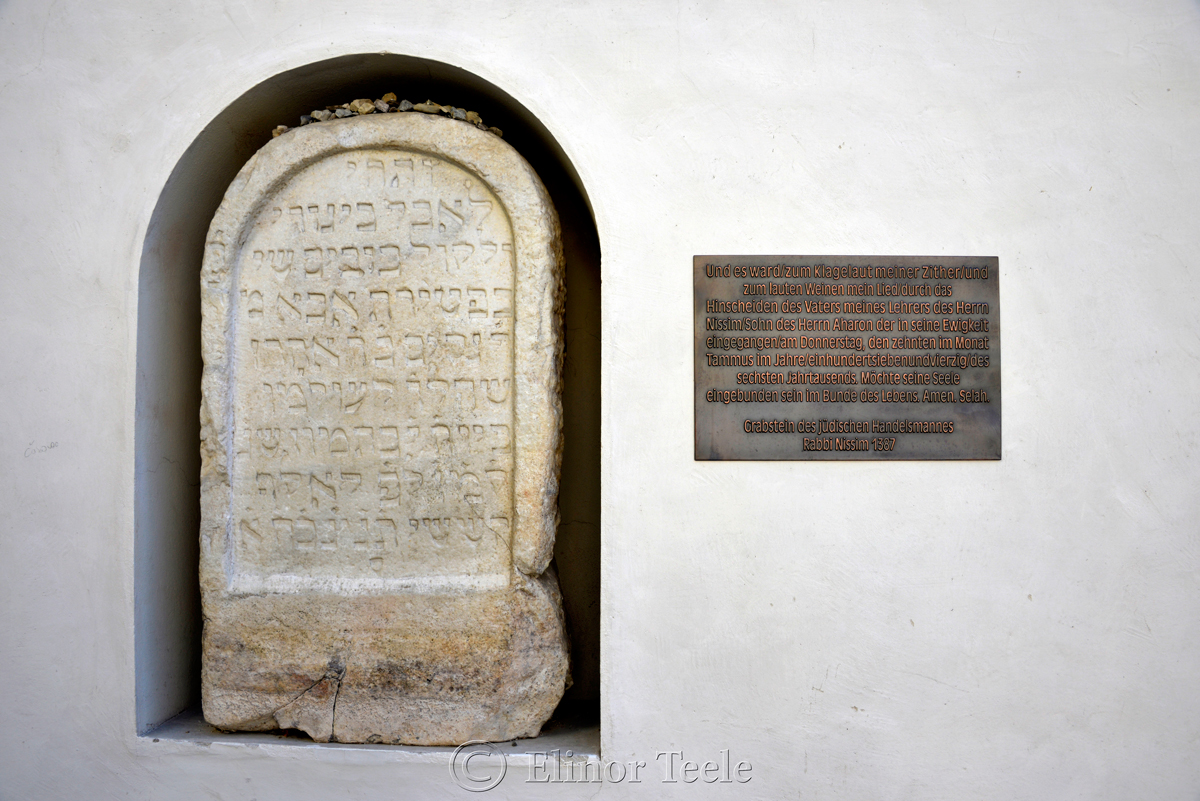
And there was the wail of my zither and the loud cry of my song for the death of the father… Jews were active in Graz as early as the 13th century. They buried their dead in the old Jewish cemetery, near the present day Joanneumring. In a typical act
Continue readingJuedische Grabstein (Jewish Gravestone), Burg, Graz, Austria
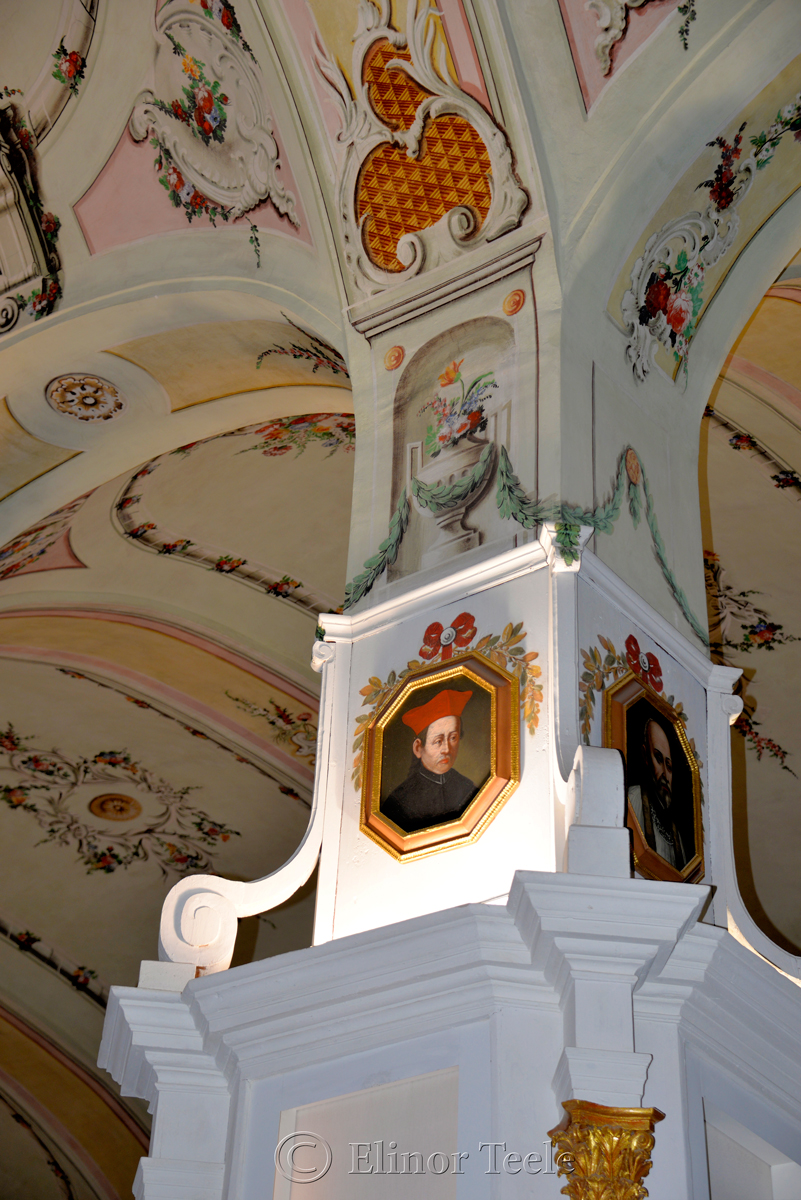
The history of Graz’s famous university begins with the Jesuits and their efforts to beat back Protestantism. It was a gradual takeover. First, under the protective eye of their Catholic patron, Archduke Charles II of Inner Austria, the Jesuits established a theological and philosophical school. Then, in 1578, they created
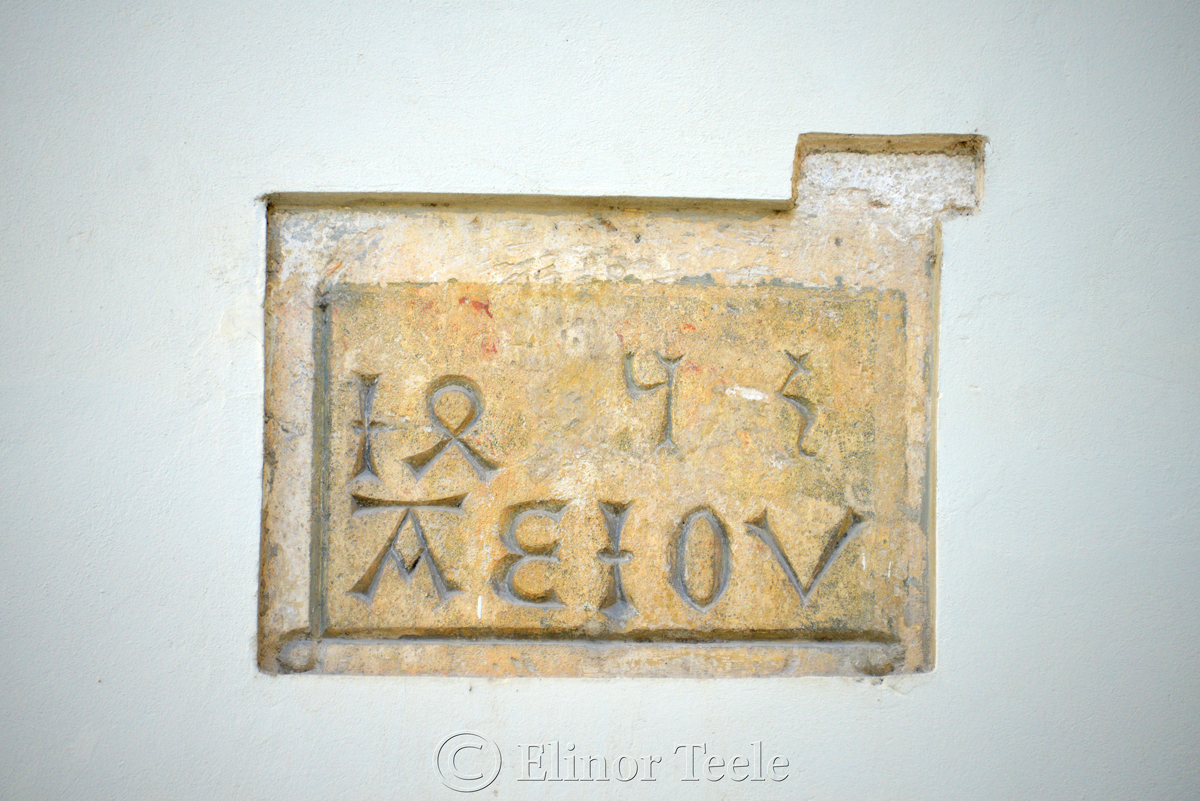
These cryptic vowels began popping up on Austrian public buildings during the reign of Frederick III (1440-1493). Frederick never explained why he chose this monogram, which has led to conspiracy theories worthy of Dan Brown. Scholars have suggested: Austria est imperio optime unita (“Austria is the empire best united”). Austria