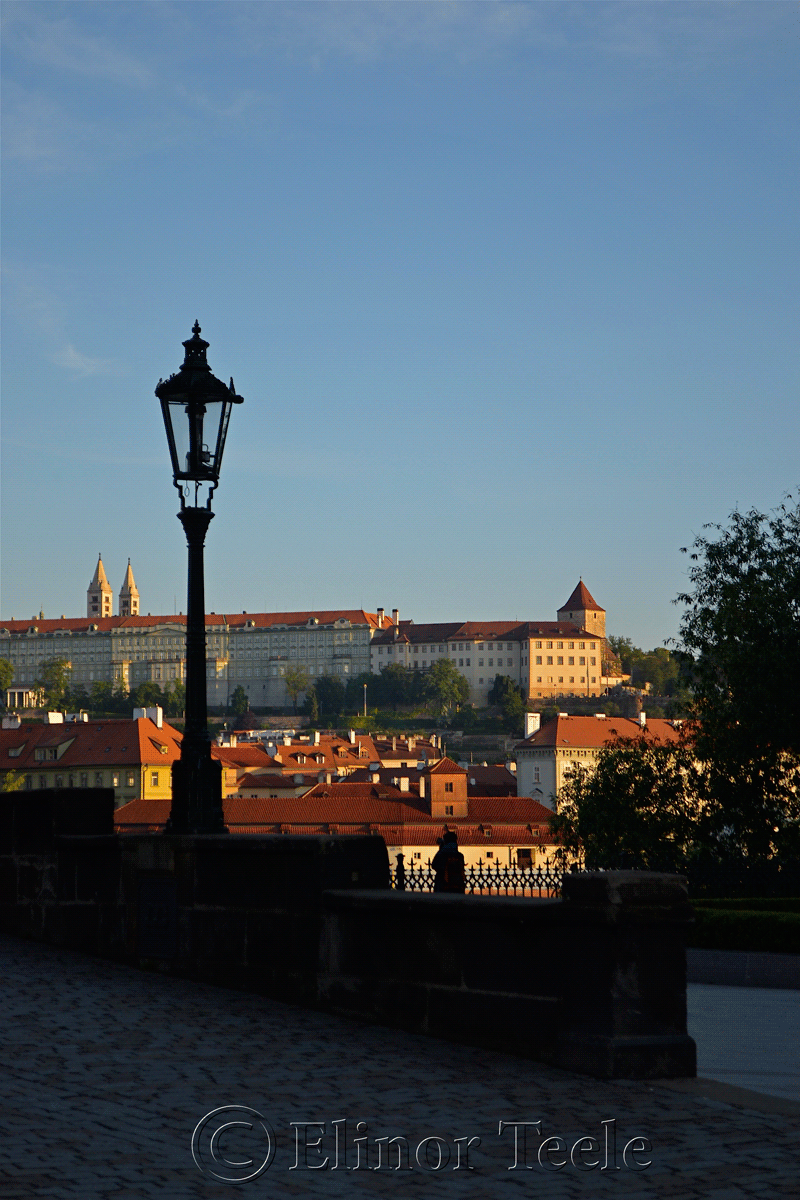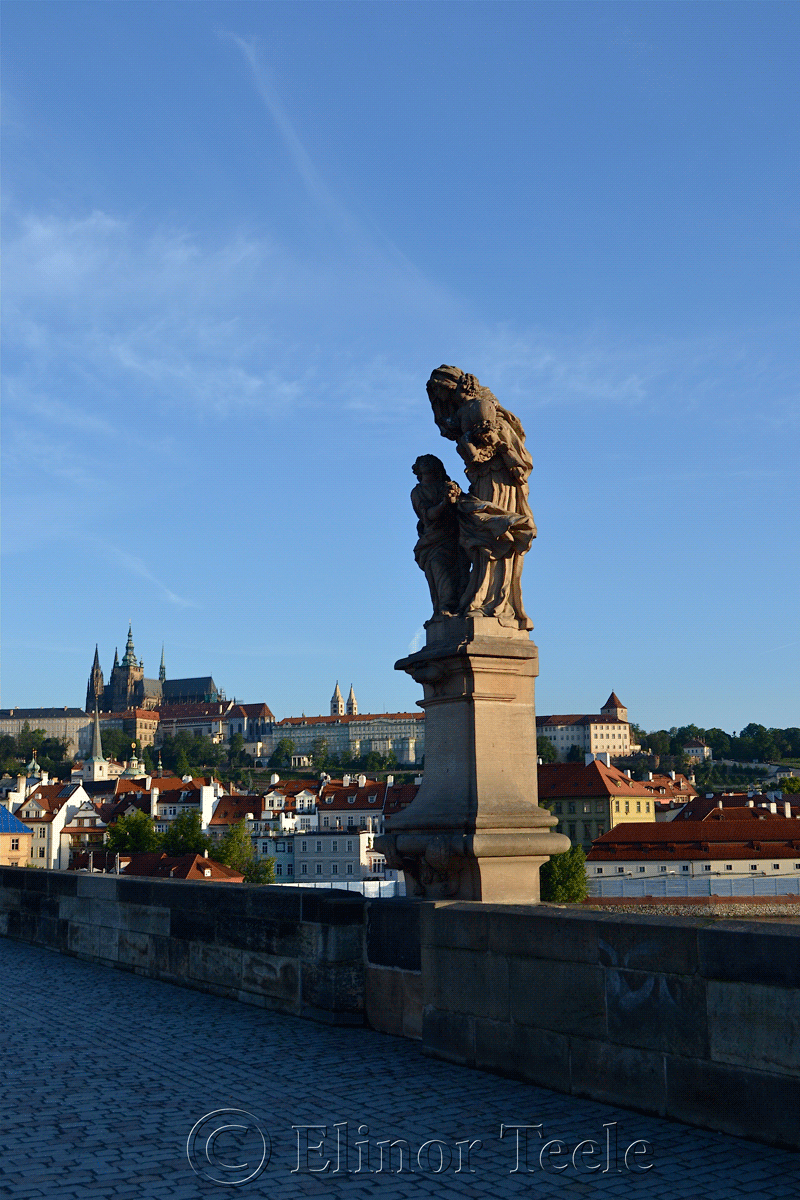
Charles Bridge at Dawn, Prague 3
St. Anne with Madonna and Child. Sculptor: Matej Václav Jäckel (1707) Commissioned by Count Rudolf of Lisov, hetman of the New Town of Prague.
Content Strategy & Fine Art Photography
Content Strategy & Fine Art Photography
St. Anne with Madonna and Child. Sculptor: Matej Václav Jäckel (1707) Commissioned by Count Rudolf of Lisov, hetman of the New Town of Prague.
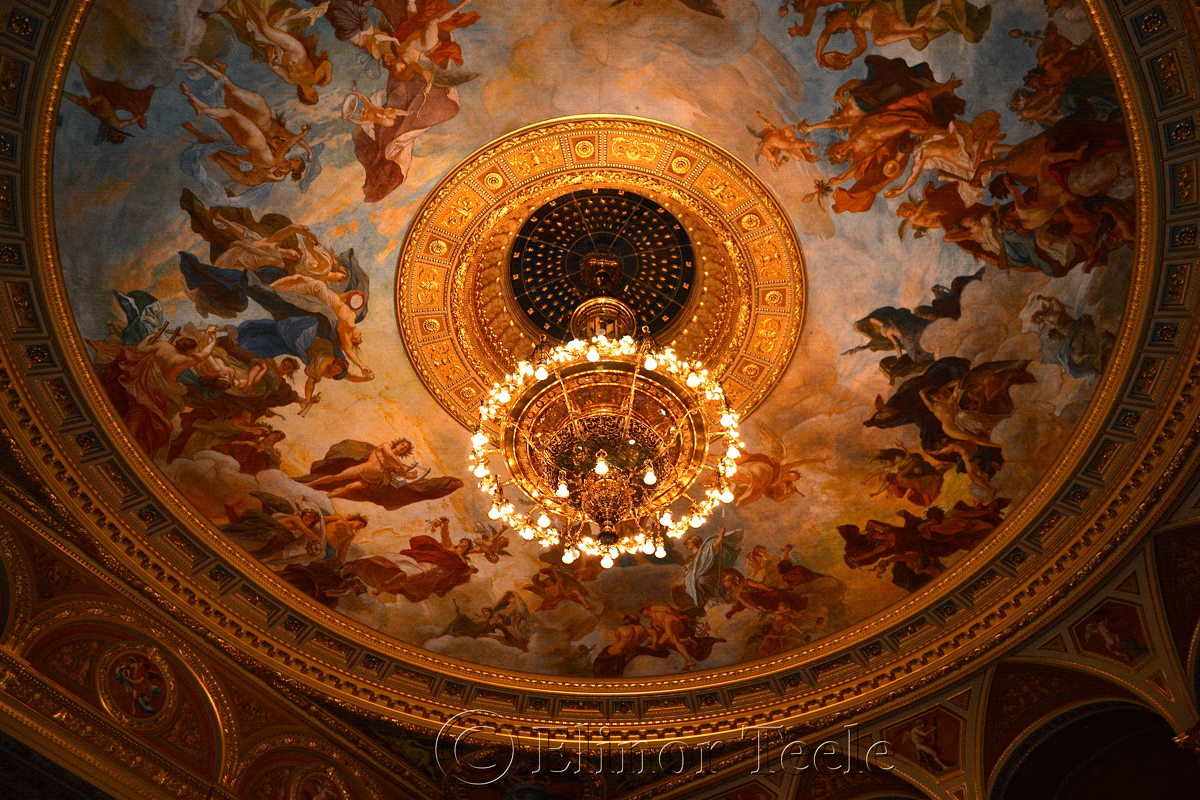
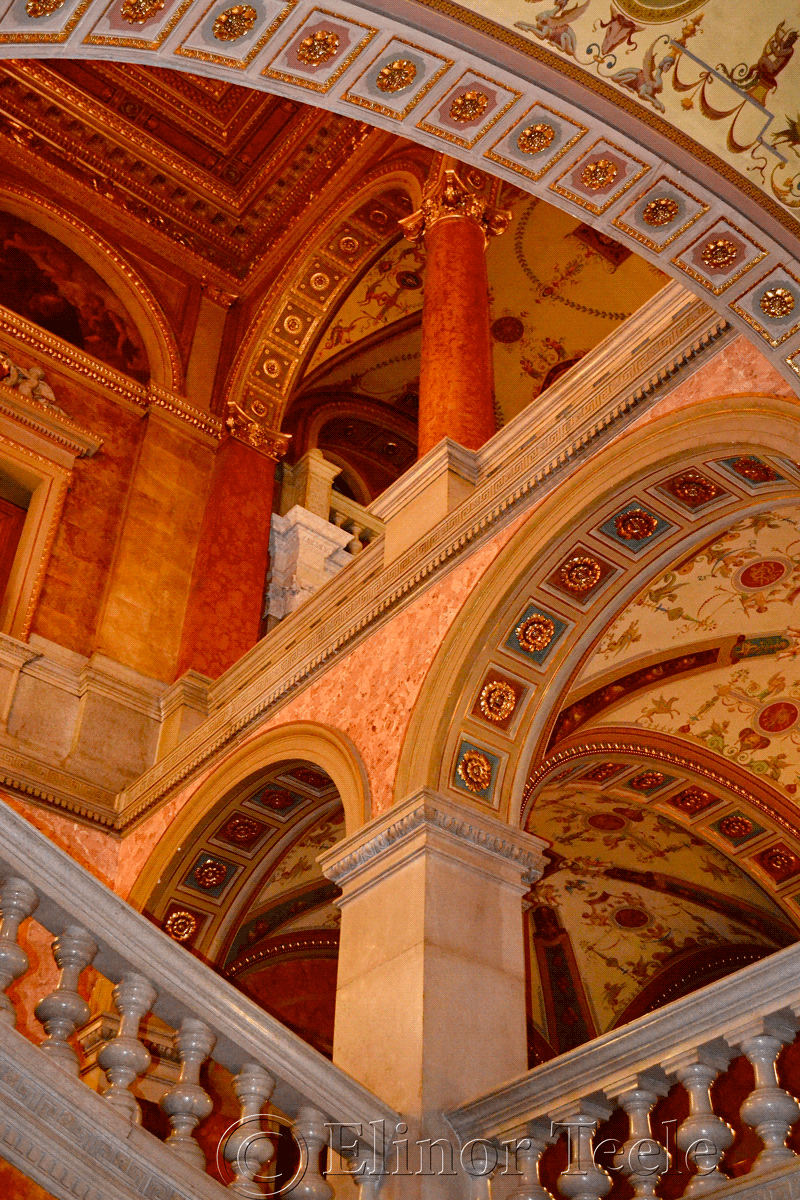
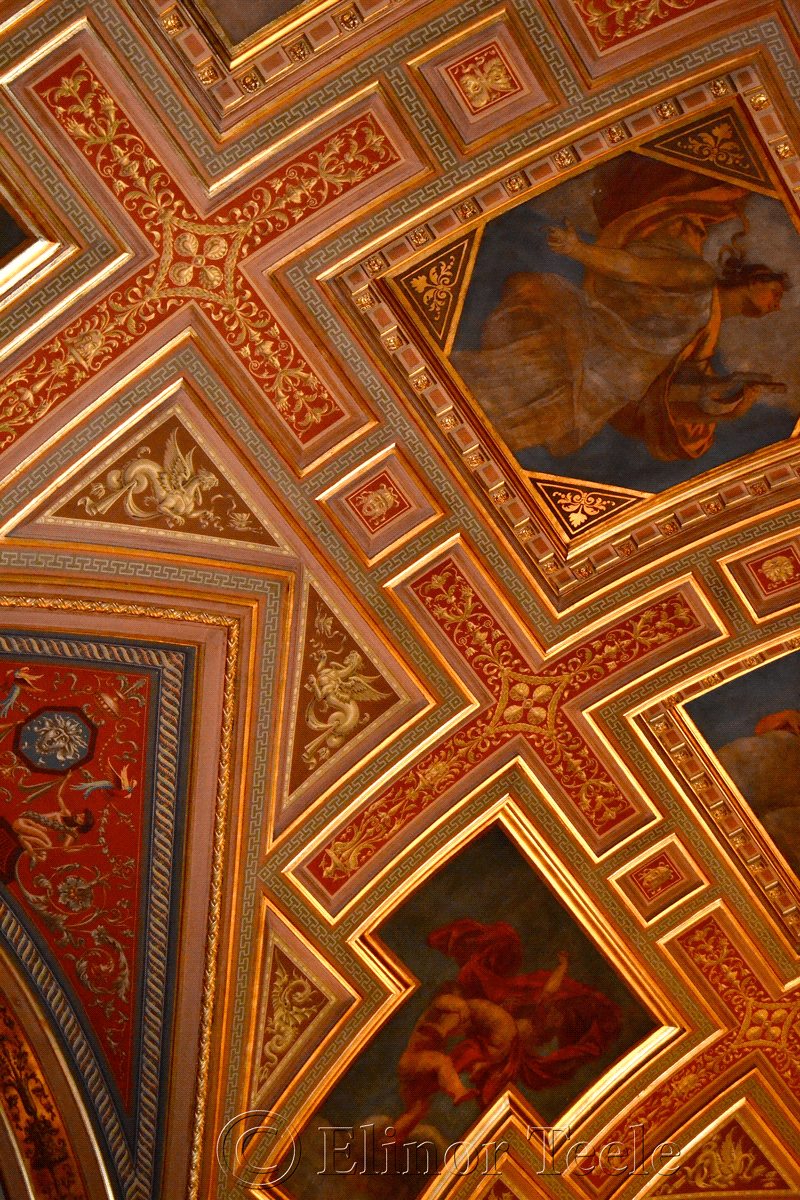
The jewel of Budapest. Born from the florid imagination of Miklós Ybl, the Hungarian State Opera House isn’t as grand as its sister house in Vienna, but it’s widely regarded to be more beautiful. It also happens to have the 3rd best acoustics in Europe (after La Scala and the
Continue readingHungarian State Opera House, Budapest, Hungary 1
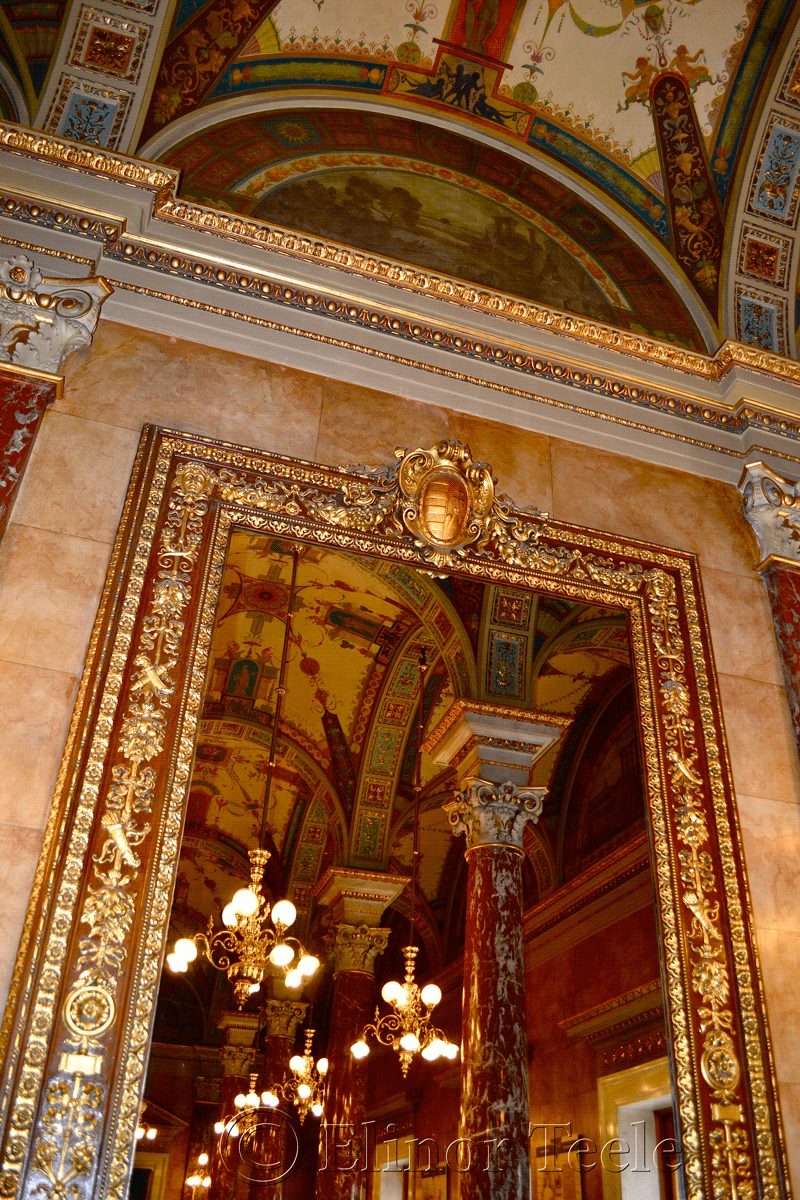
Etiquette forbade Emperor Franz Josef and Empress Elisabeth from walking up the main staircase. What’s more, they weren’t allowed to look anywhere but straight ahead as they entered. What’s an architect to do? Install a humongous mirror at the top of private stairs, of course.
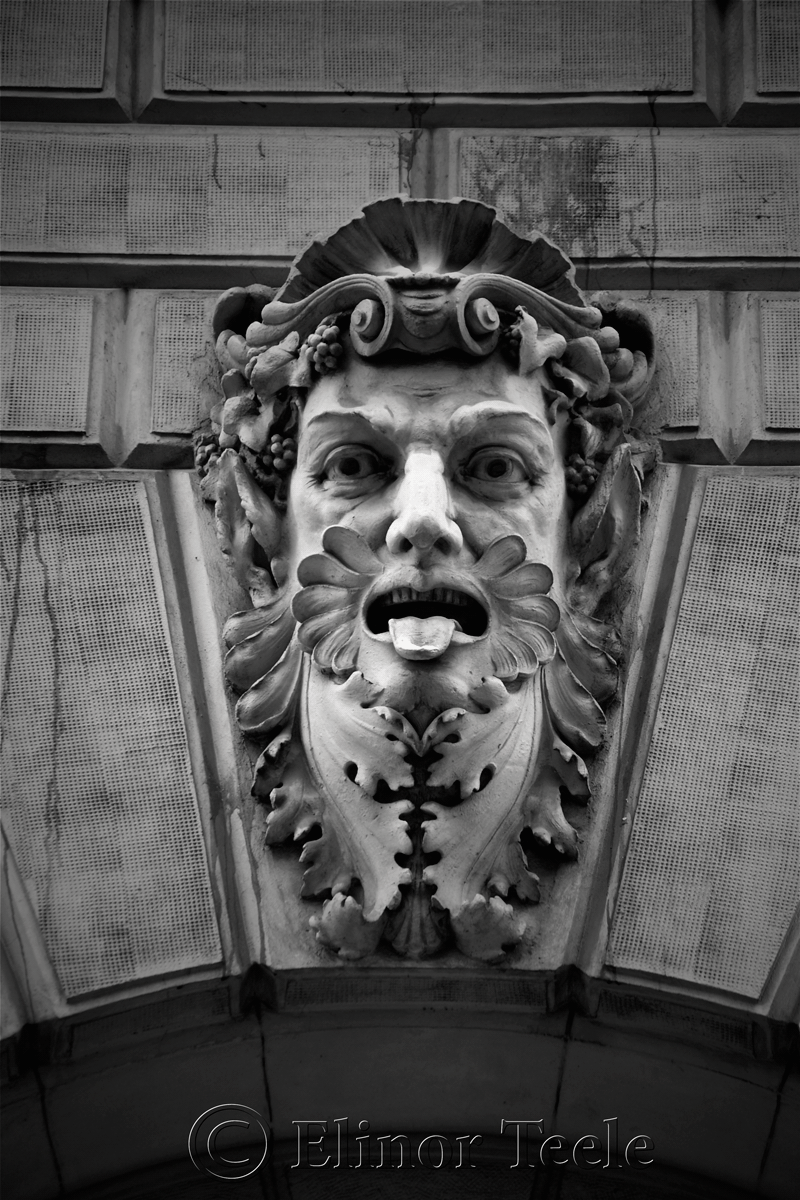
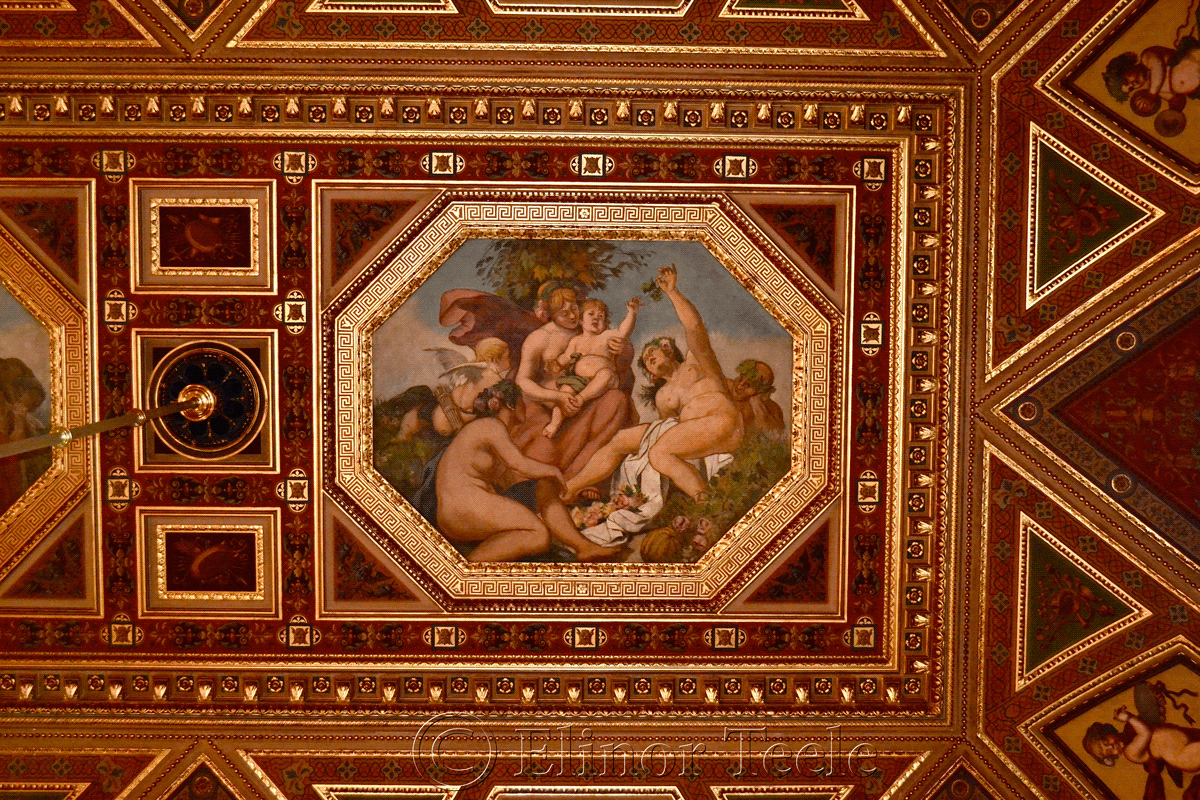
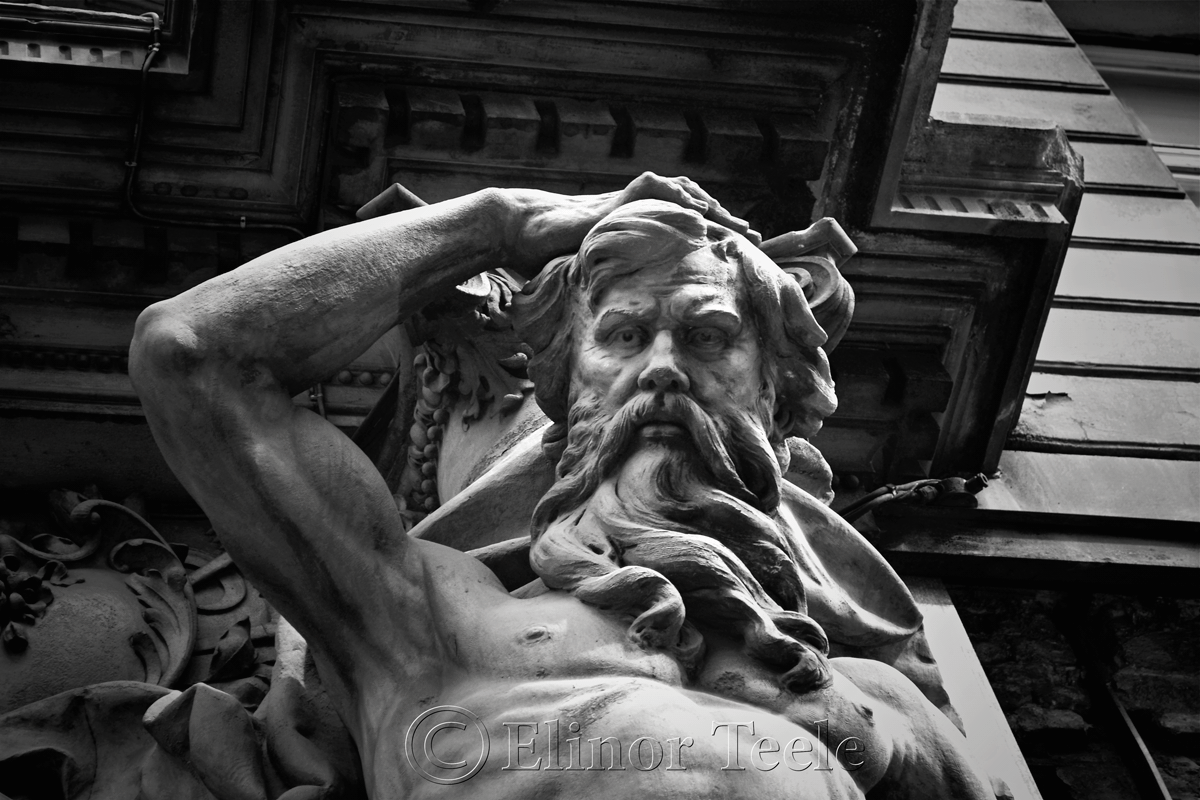
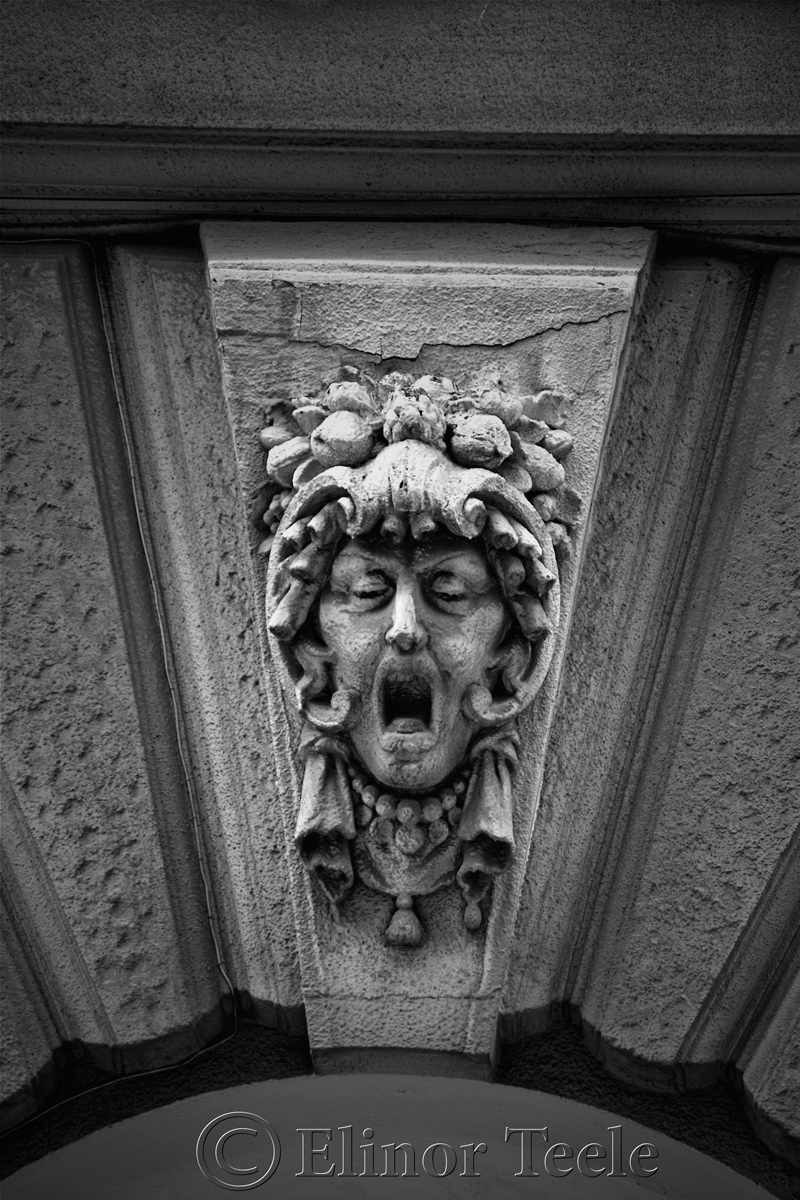
For those who long for the days of secret police, you need only look up in Budapest to refresh your paranoia. No matter where you step, you are being watched. Occasionally by friendly faces, but mostly by grim and tormented souls. There is a precedent for this trend. In 1897,