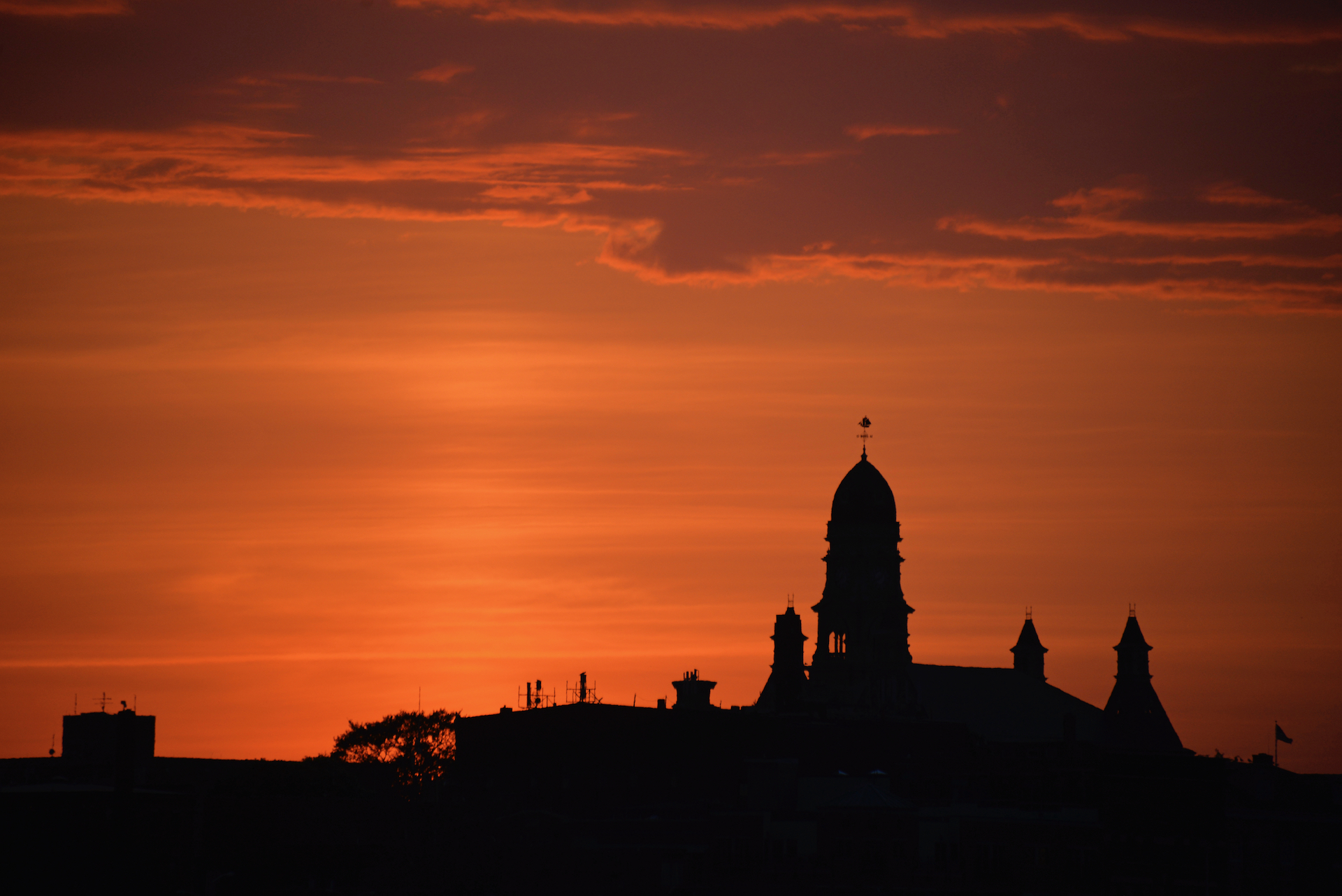


Hofburg, Vienna, Austria
Visiting Vienna is a bit like someone landing an 800 pound Sachertorte on your head and inviting you to eat your way through it. It’s manageable for the first 10 minutes or so. You may discover this when you first encounter the Hofburg, the sprawling Imperial Palace of the Habsburg

Neue Burg & Heldenplatz, Hofburg, Vienna, Austria
If the sight of the Neue Burg, the 20th century wing of the Hofburg, makes you slightly queasy, you’re not alone. On March 15, 1938, Hitler stood on its balcony and proclaimed the Anschluss of Austria into the Third Reich.


Magyar Chieftain, Neue Burg, Hofburg, Vienna, Austria
Like many 19th century Austro-Hungarian buildings, the outside of the Neue Burg is plastered (excuse the pun) with statues. Along the bottom, you’ll find 20 people representing key figures in Austrian history. You can explore the background behind them all on this excellent webpage from Van der Krogt. The most
Continue readingMagyar Chieftain, Neue Burg, Hofburg, Vienna, Austria

Prince Eugene Statue, Hofburg, Vienna, Austria 1
Prince Eugene of Savoy, the grand military maestro of 18th century Austria, was born in Paris. A short and sickly boy from the cadet branch of the house of Savoy, Eugene was supposed to end up where all sickly aristocrats go – the Catholic Church. But the boy known for
Continue readingPrince Eugene Statue, Hofburg, Vienna, Austria 1

Prince Eugene Statue, Hofburg, Vienna, Austria 2
Ironically, this tribute to the great liberator was inaugurated in A.D. 1865, a year before the Austrians got their clocks cleaned by the Prussians in the Battle of Königgrätz.

Schloss Eggenberg, Graz, Austria 1
The Schloss Eggenberg (Eggenberg Palace) is a down-and-out joy to explore. It has meandering gardens, peacocks in heat, astrological wonders, archaeological bits and bobs, and one stupendous art museum – the Alte Galerie. Not bad for a suburban complex. Early Days The Schloss wasn’t always in suburbia, of course. When

Schloss Eggenberg, Graz, Austria 2
On the insistence of Hans Ulrich von Eggenberg, the palace was designed as an independent universe, built with astrological, astronomical, and mathematical principles in mind: 31 rooms on each floor = days in a month 24 state rooms on the piano nobile (2nd story) arranged in a circular fashion =

Schloss Eggenberg, Graz, Austria 3
The Schloss Eggenberg contains the Alte Galerie – a world class art museum with none of Vienna’s crowds. It has work by Michael Pacher, Jan Brueghel the Elder, Giovanni Pietro de Pomis, and an extensive collection of stained glass, Maria statues, and panel paintings. If you’re a medievalist, you’re not